
The Neuroscience of Betrayal:
Why You Can’t Focus, Sleep, or Relax
Coaches, Practitioners, Health Care Providers and HR Leaders: Here’s what’s happening with your clients, team and employees after an experience with betrayal-even if it happened years ago:
They’re exhausted—but wired.
They want to rest—but their mind won’t shut off.
They try to focus—but everything feels fuzzy.
If they’ve experienced betrayal, this isn’t a lack of willpower, strength, or motivation.
This is neuroscience. And it’s working exactly as it was designed to—under threat.
Betrayal doesn’t just break your heart. It rewires your brain and body. That’s why even long after the betrayal happens, your clients and team members may still be struggling to function the way they used to.
Let me show you what’s really going on inside of them.
Betrayal Triggers a Full-Body Alarm System
The moment they discover the betrayal—what we call D-Day (Discovery Day)—their nervous system sounds the alarm.
Their body perceives danger. The person they trusted, loved, relied on… is now the source of threat. And the mind doesn’t separate emotional pain from physical pain. So their body responds as if your life is at stake.
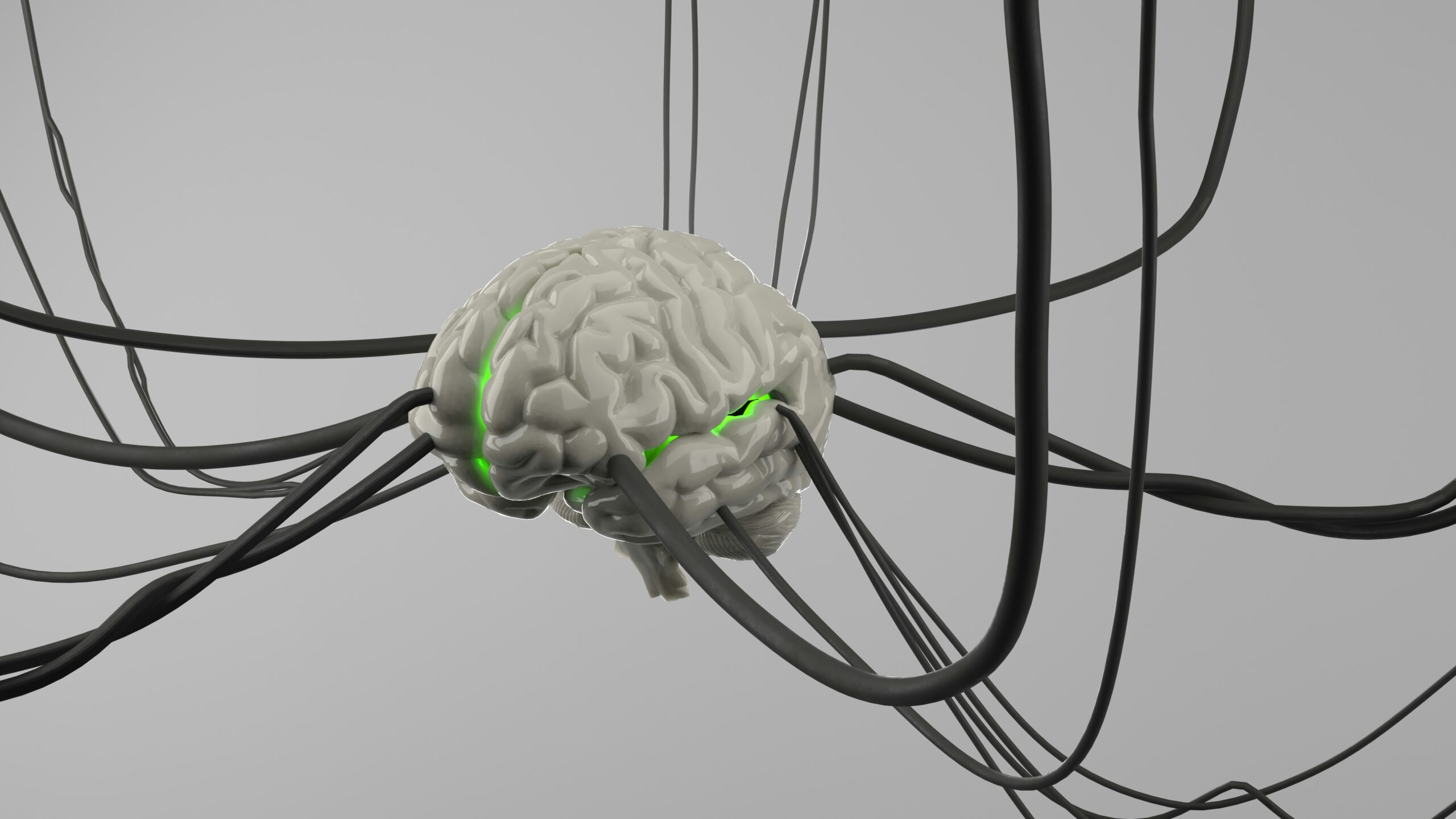
- The amygdala (our brain’s alarm center) goes on high alert
- The prefrontal cortex (responsible for focus, decision-making, logic) gets hijacked
- Your HPA axis kicks in, flooding your body with stress hormones like cortisol and adrenaline
In short, betrayal throws our system into survival mode—and keeps it there.
Why Your Clients Can’t Think Straight or Feel Safe After Betrayal
Once this system is activated, it’s not easily turned off.
Their mind races. Their body can’t relax. They’re in constant hypervigilance, scanning for the next attack—even if it’s not coming. It’s why:
- They feel jumpy, irritable, or quick to tears
- They replay conversations obsessively
- They feel overwhelmed by even simple decisions
- They can’t concentrate on work or conversations
- They forget things you just read or heard
- They dread sleep—or wake up exhausted
This is their brain, trying to protect them by staying alert. But in doing so, it drains their mental, emotional, and physical resources. Making matters worse, they’re underperforming at work, they’re struggling with their health, they’re exhausted and they’re going to you for answers…but you were never trained to look for these signs or to know what to do with them when you see them.
And unless you help them interrupt the pattern, it doesn’t stop.
This Isn’t Just Stress. It’s Trauma.
What makes betrayal different from other stressors is the element of trust, safety and the shattering of the self.
It wasn’t just that something bad happened—it was that someone you believed in broke the rules of the relationship. That rupture shakes your sense of safety in yourself, others, and the world.
That’s what creates symptoms of Post Betrayal Syndrome®—a unique cluster of symptoms we’ve identified from over 100,000 people across 60 countries.
And until you help them move through (or at least identify) the betrayal, the symptoms persist—even if they “move on.”
Why Time Doesn’t Heal—But Transformation Does
Most people assume time will fix it. But the brain and body don’t operate on the clock—they operate on patterns.
If the betrayal hasn’t been processed and healed, the nervous system remains stuck in a loop. The symptoms don’t go away. They just shift or deepen.
- They may develop digestive issues
- Hormones become imbalanced
- Inflammation increases
- They become more sensitive to stress
- Their immune system weakens
This isn’t in their head—it’s in their cells. They want the symptoms to go away but until and unless they address why the symptoms are there in the first place (the betrayal-even if it happened decades ago) solutions are temporary at best.
How Healing Rewires the Brain
The good news? The same neuroplasticity that allowed betrayal to rewire their system… can also rewire it for healing.
When they move through the 5 Stages from Betrayal to Breakthrough, their nervous system begins to regulate. Their prefrontal cortex re-engages. Their body begins to trust again. And slowly—but predictably—symptoms begin to resolve.
You’ll notice that their:
- Sleep improves
- Focus sharpens
- Energy returns
- Emotional resilience strengthens
- Confidence replaces self-doubt
- Peace returns to your body
This isn’t magic—it’s biology. And it’s available to everyone who chooses to heal.
They’re Not Crazy. They’re Betrayed.
If they’ve been blaming themselves for being tired, scattered, or “not themself,” help them stop.
Their system is doing its job. It just hasn’t been given the chance to reset.
They don’t need to try harder. They need to heal deeper.
And the path is already mapped out for you.
👉 Learn how to help your clients heal after betrayal at https://thepbtinstitute.com/get-certified/
Are you meant to specialize in betrayal recovery or add these tools to your toolbox? Learn more here.
Because it’s not about replacing the great work you do, it’s having your great tools work better.